
Power flushing for radiators
Radiators not heating up, or cold at the bottom? Power flushing clears sludge and debris from radiators and heating pipework, so the system heats evenly again.
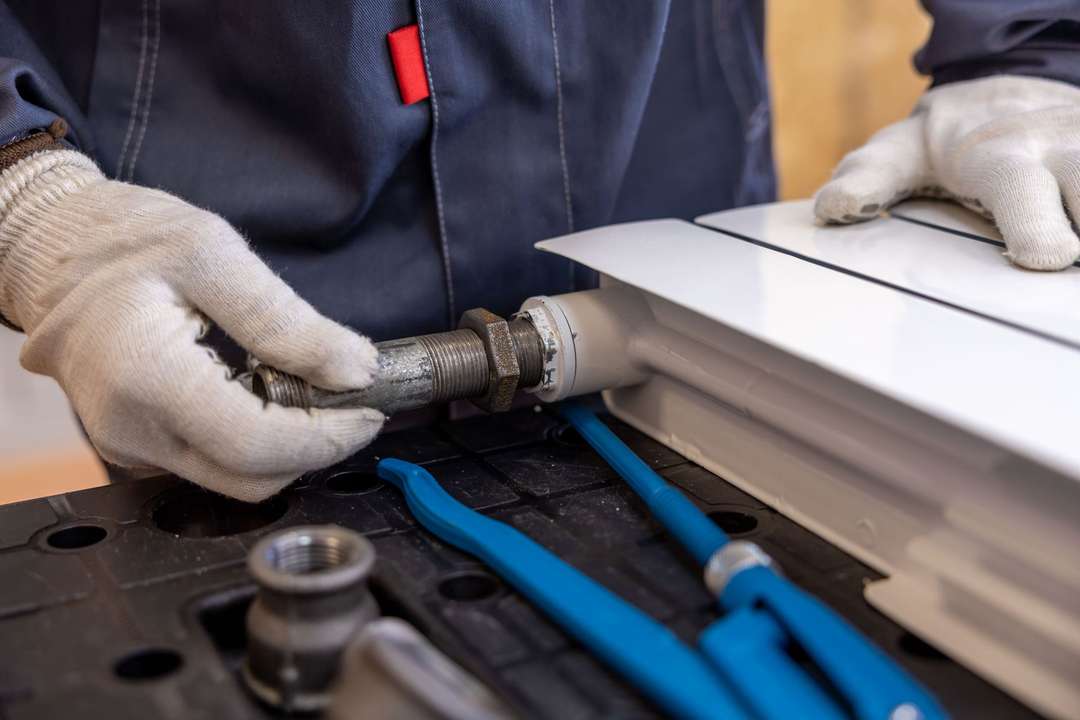
What power flushing does
Over the years, sludge builds up inside radiators and heating pipes. It blocks the flow of hot water, so radiators have cold patches and the system takes longer to heat.
A power flush pumps water and cleaning chemicals through the system at a high flow rate to loosen the sludge and carry it out.
What’s involved
- A full water analysis test is carried out at the site visit. It shows how bad the sludge is and how long the flush will take.
- The flushing machine is connected to the heating system.
- Each radiator is flushed until the water runs clear.
- A magnetic filter is fitted, before or after the flush, if the system does not already have one.
- Inhibitor is added to protect the system.
- The system is refilled and checked for leaks.
How long it takes
A power flush takes a full day at minimum, and some systems take several days. You will know how long yours will take after the water analysis test at the site visit.
Flushing underfloor heating
Underfloor heating loops are flushed zone by zone at the manifold with a high-pressure water pump. See underfloor heating for how it is done, with a video of a real job.
Before a power flush: sludge builds up inside the radiators and pipes. The water creeps round slowly, the radiators are cold at the bottom, and very little heat comes off them.
During a power flush: a power flushing machine is connected to the heating system and pumps water and cleaning chemicals through every radiator at a high flow rate, until the dirty water runs clear.
Power flush complete: hot water flows freely around every radiator, so each one heats evenly from top to bottom and gives off good heat. Inhibitor is added to protect the system.
What's included
Every job, priced and agreed first.
- A full water analysis test at the site visit, to show how bad the sludge is
- A written quote before work starts, with a fixed price for the work described
- The heating system flushed until the water runs clear
- A magnetic filter fitted, if your system does not already have one
- Inhibitor added to protect the system after the flush
- The system refilled and checked for leaks
- Tidy work
FAQs
Common questions
What is power flushing?
A machine pumps water and cleaning chemicals through the heating system at a high flow rate. This loosens the sludge that has built up in radiators and pipes and carries it out of the system.
How do I know my system needs it?
Radiators that are cold at the bottom, rooms that heat unevenly and dirty water when you bleed a radiator are the usual signs.
Where does the sludge come from?
Mostly from the inside of steel radiators, which slowly corrodes over the years. The rust settles in radiators and pipes.
How long does a power flush take?
A full day at minimum. Some systems take several days. Ryan carries out a full water analysis test at the site visit, which shows how bad the sludge is and how long your flush will take.
Do you fit a magnetic filter?
Yes. Some systems already have one. If yours does not, we fit one before or after every flush to catch sludge in future.
Do you add inhibitor?
Yes. Inhibitor is added after every flush to help protect the system from corrosion and new sludge.
Is a power flush suitable for every system?
Not always. On an old system in poor condition, Ryan will check it first and tell you if a flush is the right option.
Related services
You might also need.
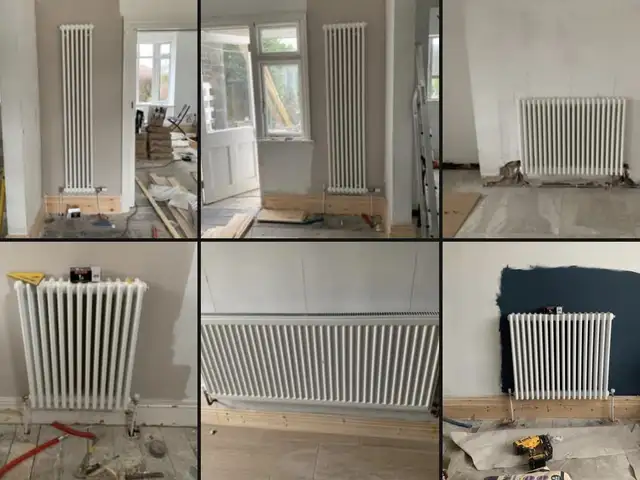
Radiators
Radiators not heating up? Cold spots, leaks and stuck valves sorted, and radiators, designer radiators and towel rails fitted and replaced.
Read more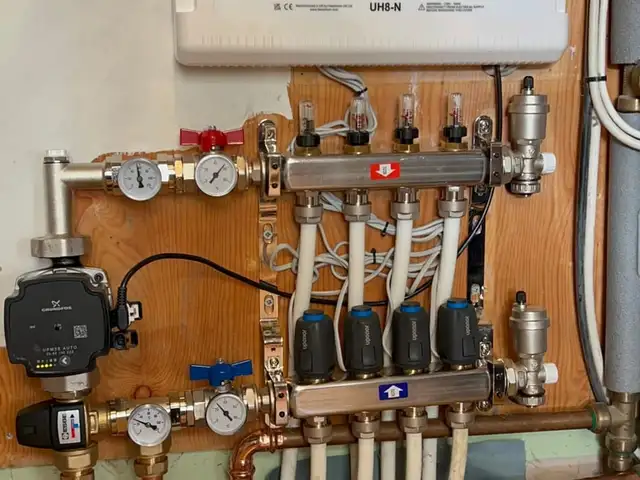
Underfloor heating
Underfloor heating not working? Faults found and fixed, systems serviced and flushed, and old manifolds, pumps and controls replaced.
Read more
Expansion vessels
Expansion vessels checked, recharged and replaced on heating and hot water systems.
Read more
Call-out investigation fee €99 (excl. VAT)
Get a quote
Tell Ryan about the job and he will arrange a site visit and a written quote. Phone lines are open Mon–Fri 09:30–17:00.
Oakview covers Laois, Offaly, Kildare, South Dublin and Dún Laoghaire–Rathdown from Portarlington. See the areas we cover.
If we can fix the problem on the call-out with no materials ordered, all you pay is the €99 (excl. VAT). If not, we will give you a written quotation on the call-out.